

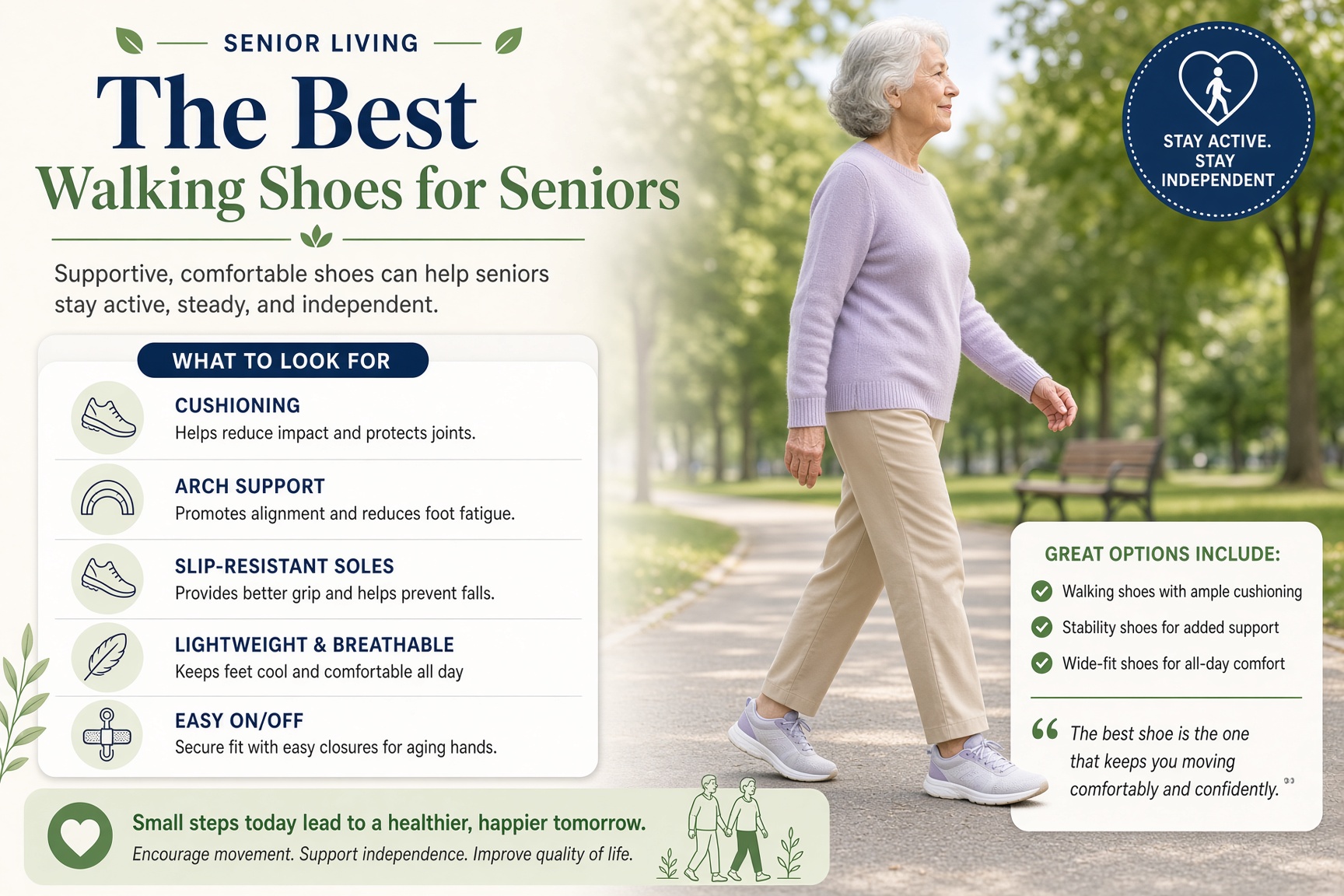
Whether taking daily morning strolls, keeping up with energetic grandkids, or traveling, having the right pair of walking shoes is essential.
As feet age, natural cushioning thins, arches can flatten, and balance becomes a higher priority. The right shoe isn’t just about style—it’s a critical tool for protecting joint health, reducing fall risks, and maintaining independence.
Below is a curated guide to the top walking shoes for seniors, tailored to different foot types, comfort priorities, and mobility needs.
5 Things Every Senior Walking Shoe Needs
Before diving into specific models, here are the key features to look for:
- Firm Heel Counter & Traction: A structured heel keeps the foot stable, while high-grip rubber outsoles prevent slips on slick pavements or indoor tiles.
- Joint-Friendly Shock Absorption: Generous midsole cushioning protects knees, hips, and lower backs from harsh impact forces.
- Easy On & Off: Hands-free slip-in heels, stretch laces, or adjustable straps make getting dressed effortless—especially for those with arthritis or back mobility challenges.
- Wide, Accommodating Toe Box: Extra room prevents pressure on bunions, hammertoes, or feet prone to afternoon swelling.
- Orthotic Compatibility: Removable insoles allow for custom orthotics or Medicare-approved inserts.
The Top Senior Walking Shoes
We earn a commission if you make a purchase at no extra cost to you,
1. Brooks Glycerin GTS
Best Overall Cushioning & Support
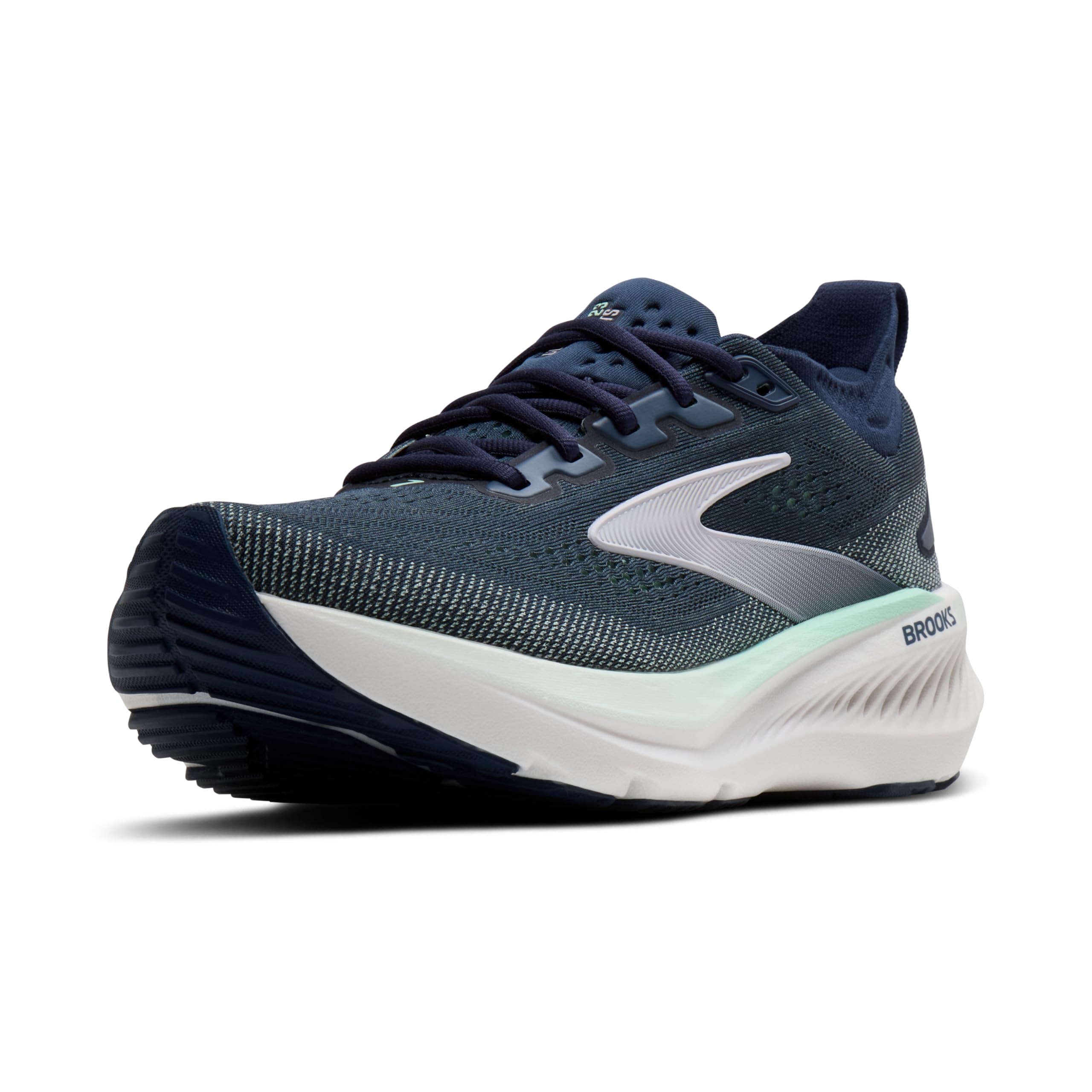
Women’s
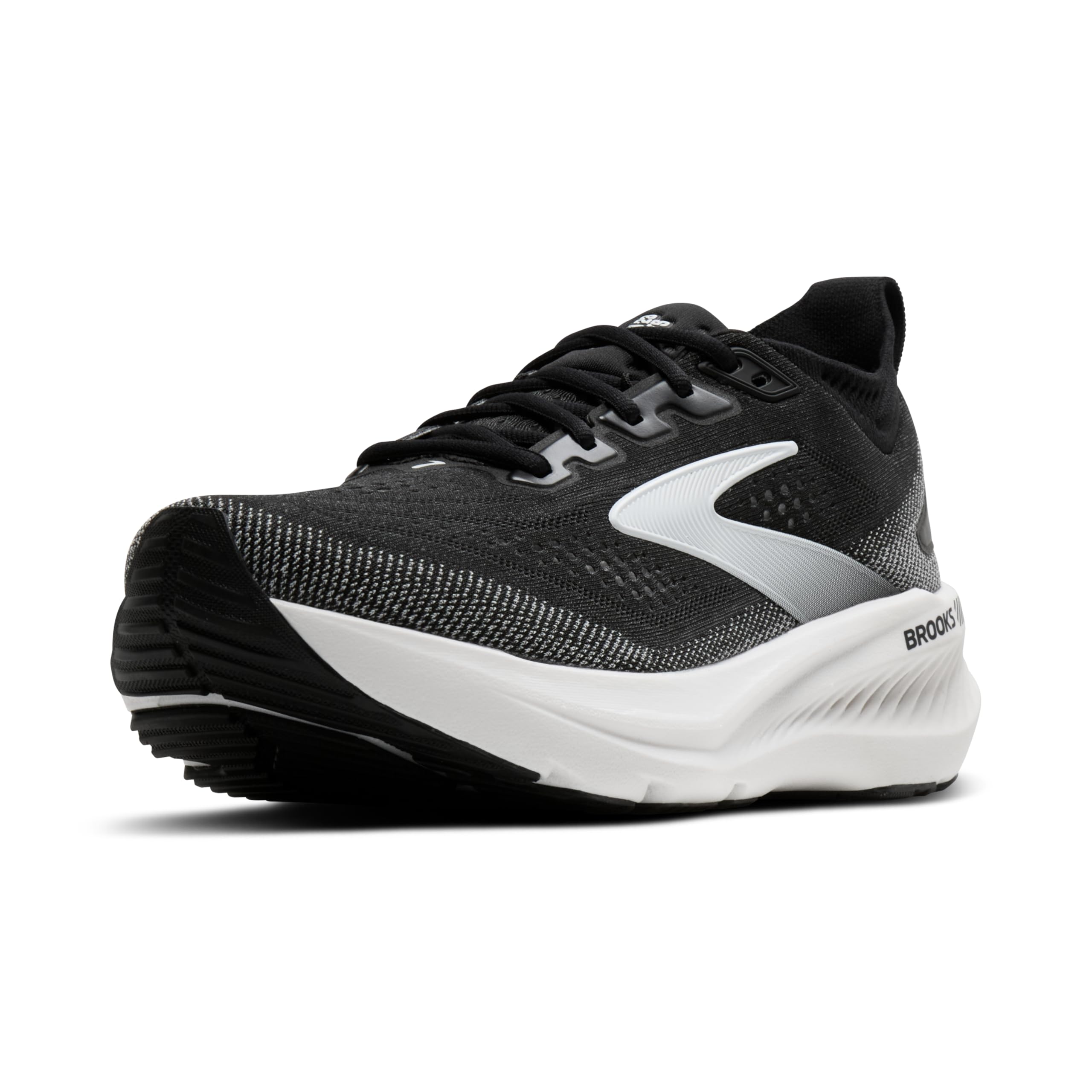
Men’s
THIS SHOE IS FOR: Runners who love soft cushioning but need added structure to stay aligned—perfect for those who overpronate or want guidance during daily runs, long miles, or recovery days. The Glycerin GTS 23 blends plush comfort with smooth, stable support for distraction-free movement. This Glycerin GTS 23 is a certified PDAC A5500 Diabetic shoe and has been granted the APMA Seal of Acceptance.
2. Skechers Slip-ins Go Walk Arch Fit 2.0
Best Hands-Free & Easy Entry:

Men’s

Women’s
Ideal for: Seniors who struggle with laces, bending down, or arthritic hands.
Why it shines: Skechers nailed the slip-on design with a firm, molded heel counter that allows stepping straight into the shoe without hands or a shoehorn. Unlike basic slip-ons that lack structure, the Arch Fit insole provides podiatrist-certified arch support for all-day stability.
3. HOKA Bondi SR
Best Max Cushion & Slip-Resistance

Men’s
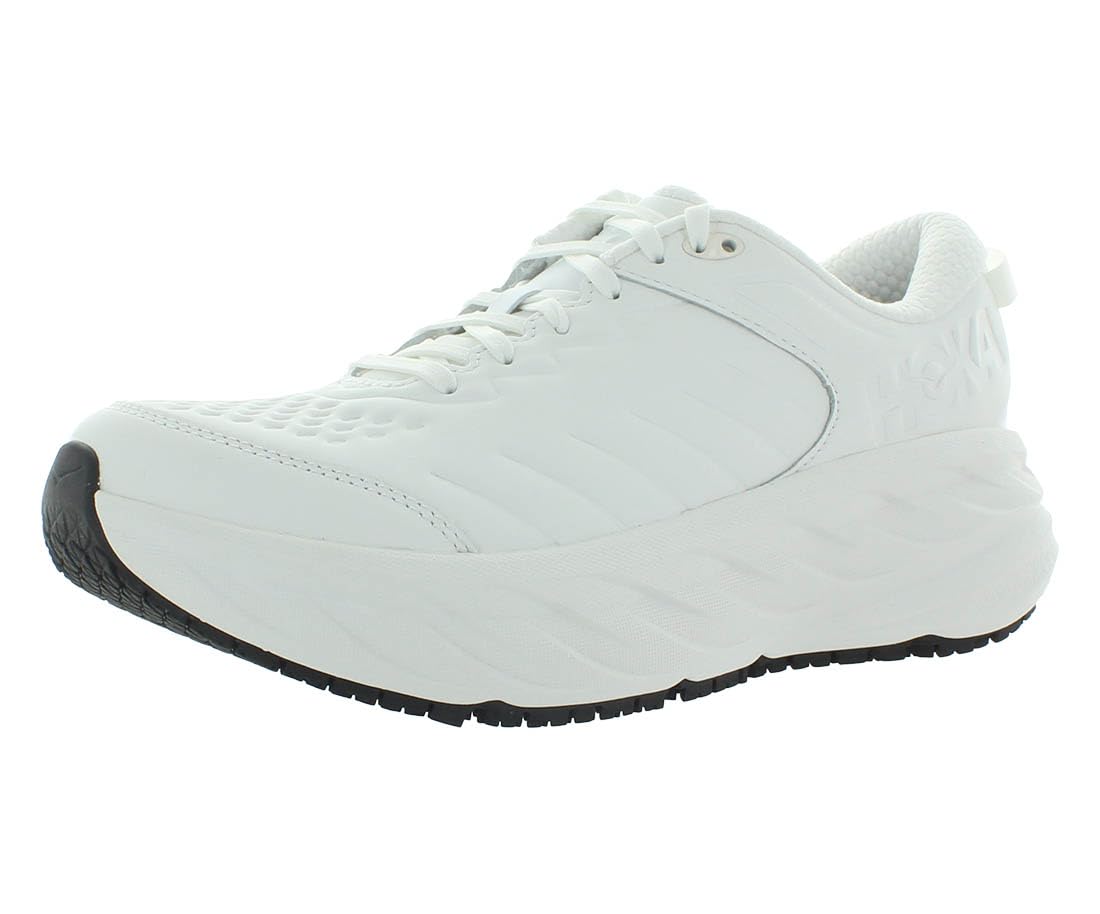
Women’s
Ideal for: Sensitive joints, maximum impact absorption, and smooth transitions.
Why it shines: Famous for thick, plush midsoles, the Bondi SR takes standard HOKA comfort and adds a water- and slip-resistant rubber outsole. Its signature early-stage Meta-Rocker sole gently rolls the foot forward from heel to toe, making every step feel smooth and low-effort.
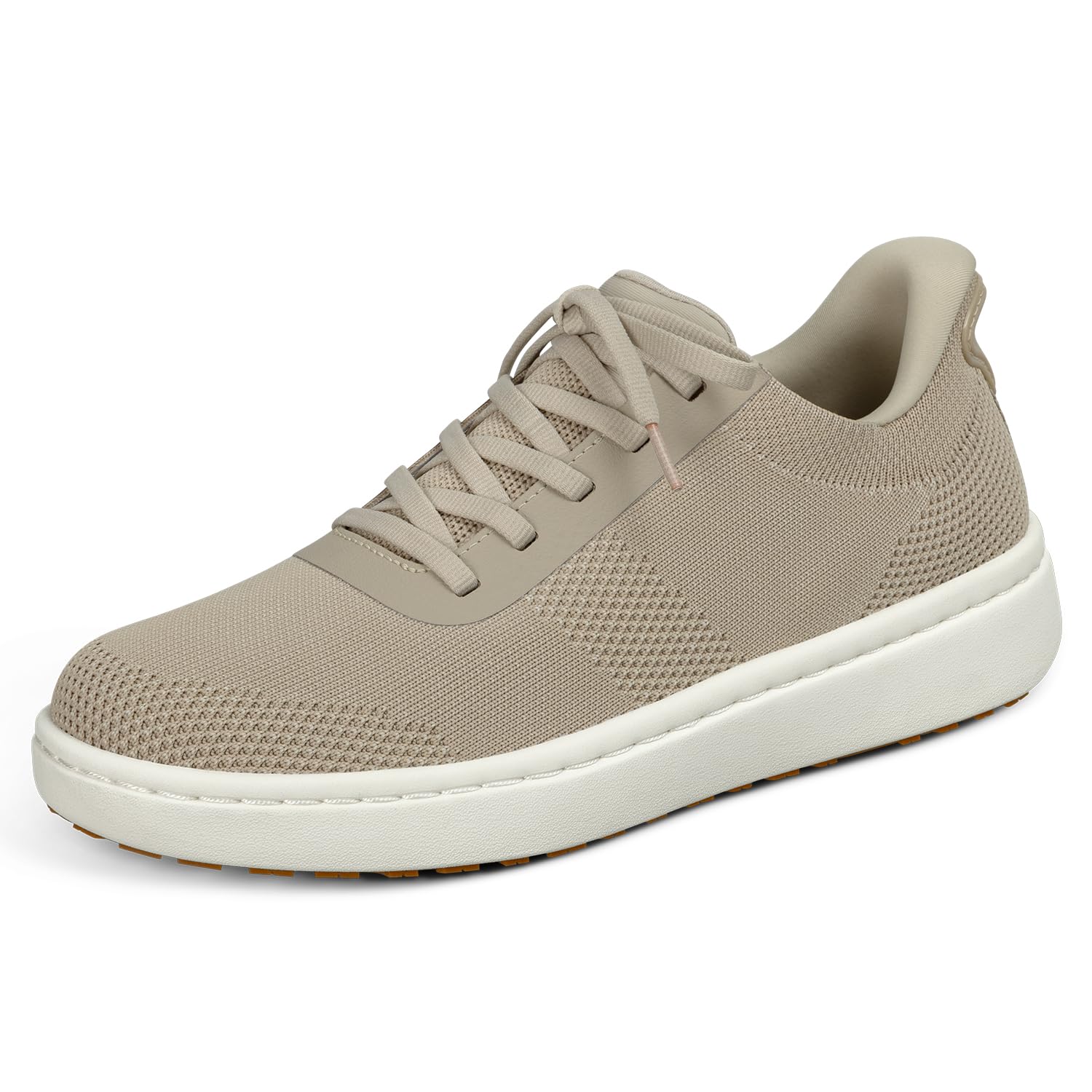
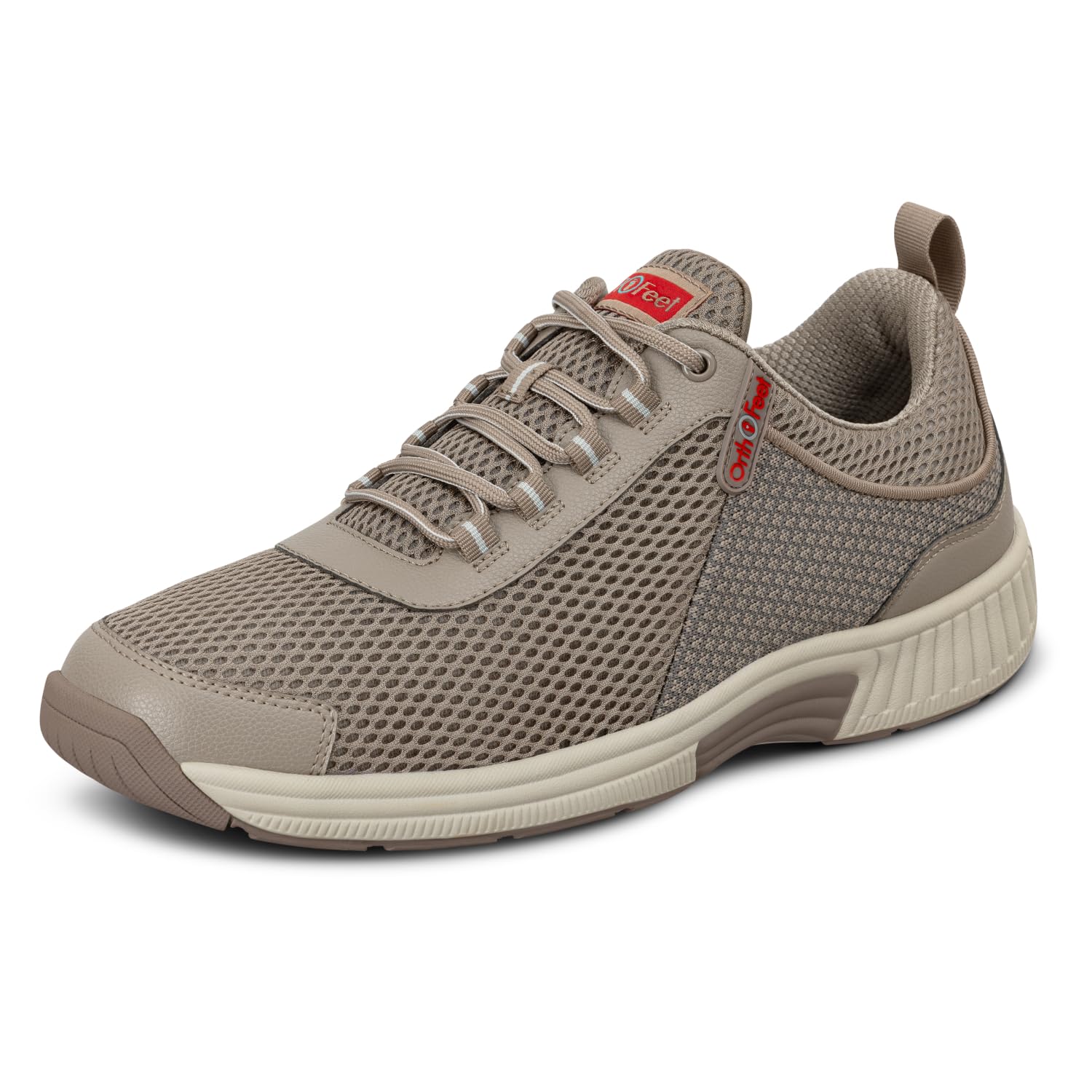
4. Orthofeet Edgewater / Coral Stretch Knit
Best Orthopedic & Sensitive Feet
Women’s
Men’s
deal for: Neuropathy, bunions, diabetes, or severe plantar fasciitis.
Why it shines: Orthofeet builds shoes specifically for medical comfort. Featuring a soft, stretch-knit upper with a seamless interior, these shoes eliminate friction points that cause blisters or sores. They feature broad widths, deep heel cups, and anatomical arch support insoles that can be customized with included spacer layers.
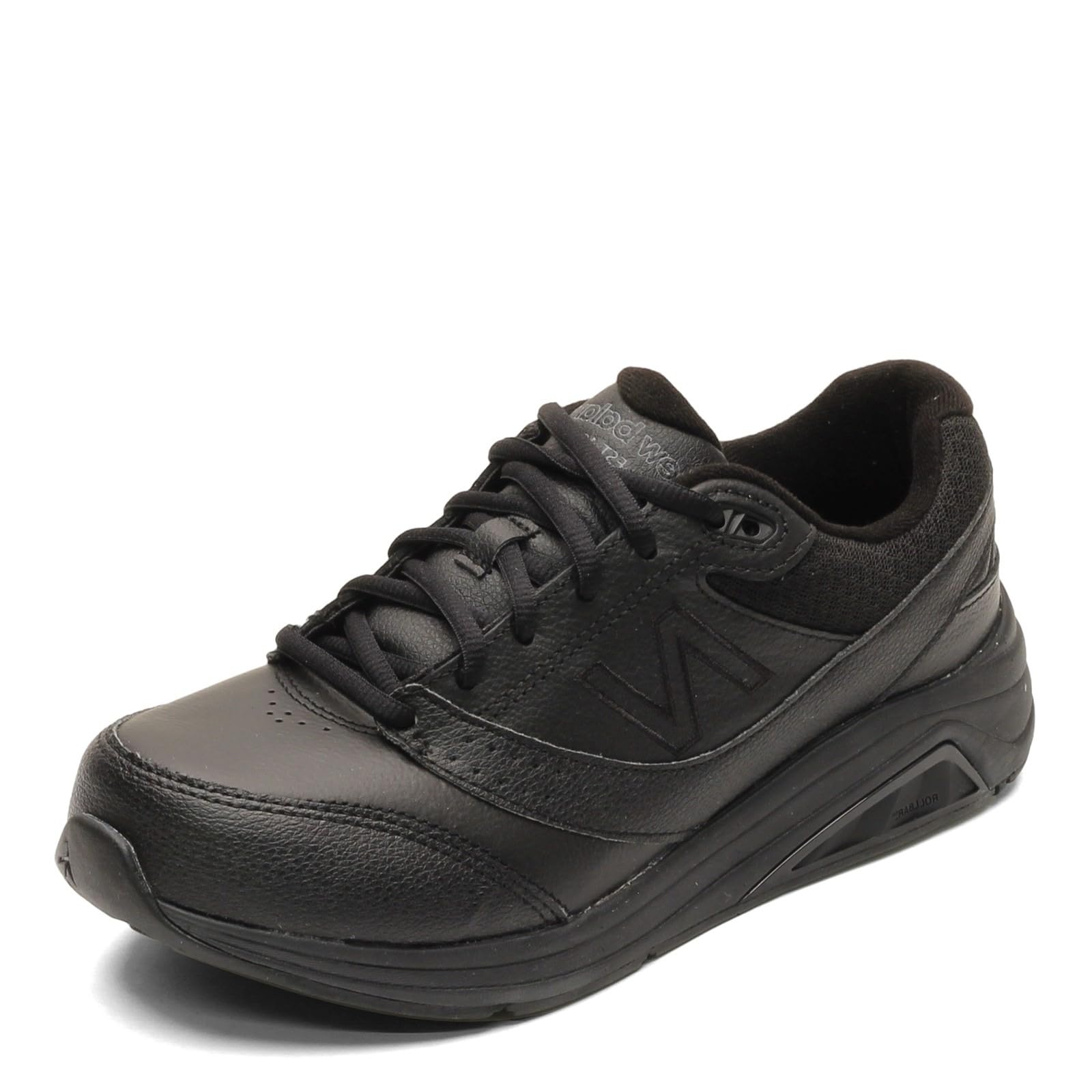
5. New Balance 928v3
Best Motion Control & Severe Overpronation

Men’s
Women’s
Ideal for: Maximum rearfoot stability, flat feet, and long standing sessions.
Why it shines: A long-standing favorite in orthopedic care, the 928v3 features New Balance’s ROLLBAR® stability post system, which minimizes rear-foot movement to keep ankles secure. Its leather construction, thick foam midsole, and broad outsole base make it one of the sturdiest walking shoes available.
At a Glance: Feature Comparison
| Shoe Model | Entry Style | Key Feature | Best For | Price Range |
| Brooks Glycerin GTS | Lace-up | GuideRails® Support + Shock Absorption | Overall comfort & balance | Premium |
| Skechers Slip-ins Go Walk Arch Fit 2.0 | Hands-Free Slip-In | Step-in design + podiatrist arch support | Ease of use & budget friendly | Low |
| HOKA Bondi SR | Lace-up | Max Cushion + Anti-slip rubber sole | Joint relief & wet surfaces | Premium |
| Orthofeet Stretch Knit | Slip-on / Stretch | Seamless interior + extra depth | Bunions, swelling & neuropathy | Mid to Premium |
| New Balance 928v3 | Lace or Velcro | ROLLBAR® Motion Control | Severe flat feet & maximum stability | Premium |
Pro Tip for Shoe Shopping: Try on new shoes in the late afternoon when feet are naturally at their largest due to swelling. Always test shoes while wearing the socks or custom orthotics you plan to use daily!
Pros
- The right shoe can make walking steadier and easier on knees, hips, and feet
- Extra cushioning reduces pounding on hard sidewalks
- A wide toe box is kinder to bunions, swelling, and sensitive toes
- Slip-in or stretch designs are easier when bending or tying laces is hard
- Removable insoles leave room for orthotics
Cons
- Good walking shoes cost more than a basic store pair
- A shoe that looks cushioned can still be too narrow
- Slip-ons are easy to put on, but a loose heel can make you less steady
- Thick soles help some people and feel clumsy to others
- Amazon sizing can be hit or miss. Measure your feet late in the day
Who each one is for
- Everyday walking with extra support: Brooks Glycerin GTS
- Hard time with laces or bending down: Skechers Slip-ins Go Walk Arch Fit
- Sore joints and a need for a grippy sole: HOKA Bondi SR
- Sensitive feet, bunions, or a need for a roomy orthopedic shoe: Orthofeet
My recommendation
Buy for fit and stability, not looks. You want a firm heel, a sole that does not feel slick, and room for your toes.
If you only want one pair for daily walking, Brooks or Orthofeet are the safest starting points. If putting shoes on is the hard part, get a good slip-in like the Skechers.
If you have diabetes, numbness in the feet, or sores, have a doctor or shoe fitter check the pair before you wear them all day.
Leave a Reply